Every Card Said No? How a Secured Card Deposit Becomes a Credit History
Every card said no. So the banks quietly built a back door for exactly that moment: a secured credit card — “secured” meaning your own deposit backs the card.
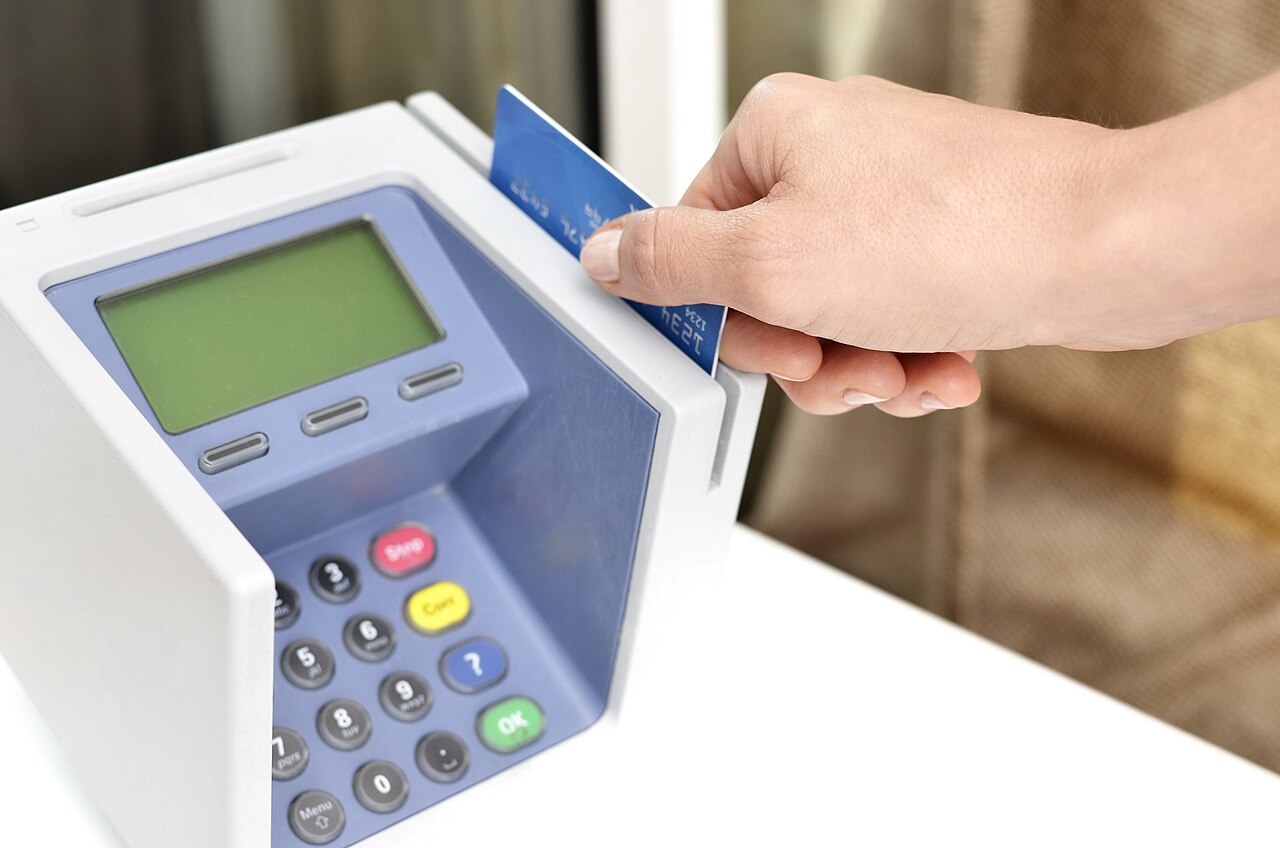
How does a deposit in an account become a reputation?
Here is the mechanism nobody at the bank counter explains. You are approved far more easily than for a regular card, because the bank's risk is covered by your deposit. You use the card like a debit card with one extra power: reporting. Every month, the card company reports your behavior to the credit bureaus — a bureau is a company that keeps your borrowing file — including your balance, limit, and whether you paid on time. On-time reports stack into payment history, the single biggest slice of your score. That is why choosing matters: a card that reports to only one bureau — or worse, none — is a debit card wearing a costume.
Think of the card as a witness with a logbook. Every month you pay on time, the witness writes one clean line and copies it to all three bureaus. One line proves little; twelve in a row prove a pattern nobody can argue with.
Same witness, second way in. A witness nobody hears helps nobody — why reporting to all three bureaus is the whole test. If the logbook only reaches one bureau, two of your three files stay silent, and a lender who pulls a silent file sees nothing new.
What two mechanics should you master before you apply?
First, your deposit is refundable and stays yours: held by the bank as collateral — a guarantee kept in case you do not pay — not spent. Second, with many secured cards you can add to the deposit later to raise your limit. But a bigger limit is not the goal in month one: a perfect payment streak on a small limit builds the same history as a big one, with far less rope.
What are the two traps guarding this door?
Trap one: fee-harvester cards. They market to people with damaged credit and arrive wearing an application fee, a monthly fee, an annual fee — sometimes all three — eating your deposit before you have bought a single gallon of gas. Read the fee schedule first; if the fees read like a phone bill, walk away. Plenty of secured cards charge no annual fee at all. Trap two: utilization, the share of your limit you are using. A $300 limit with $270 charged looks, to a scoring model, like a person leaning hard on credit —. The fix: one small recurring charge, paid in full. Then set up autopay for the full statement balance the day you activate the card, not the minimum. Automate the boring.
Watch: the back door, explained through its mechanism
Video summary: The video explains the secured card from the mechanism up. Your refundable deposit becomes your limit, the bank's risk is covered, and from that day the card reports your balance, limit, and on-time payments to the bureaus every month — stacking into payment history. It covers the two facts nobody volunteers: the deposit stays yours as collateral, and a bigger limit is not the month-one goal. Then the two traps: fee-harvester cards that eat your deposit in charges, and utilization, where $270 charged on a $300 limit makes a careful user look risky. It prescribes the shield — autopay for the full statement balance — and the long game: graduation to an unsecured card, your deposit back, and a card you never close.

What does the plan look like, month by month?
Week one: pull your reports at AnnualCreditReport.com and pick a secured card that reports to all three bureaus and charges no annual fee. Put down a deposit you can afford to leave parked. Month one: one small recurring charge; pay it in full the day the statement lands. Month two: same. Month three: same. Clean lines compound. Many secured cards review your account after a run of on-time payments and graduate you to a regular, unsecured card, refunding your deposit. The deposit comes home; the history stays. One honest caution: a secured card builds history; it does not erase the old one. Old collections still need their own handling, through disputes and time.
Questions people ask about secured cards
Is the secured card deposit gone for good?
No. The deposit is refundable, and it stays yours — the bank holds it as collateral, a guarantee held in case you do not pay, rather than spending it. With many secured cards you can add to the deposit later to raise your limit. When a card graduates you to an unsecured card after a run of on-time payments, the deposit comes home. What stays is the point: the history remains in your file.
How much should I charge on a small secured card?
One small recurring thing — a tank of gas, a streaming bill — paid in full, every month. The reason is utilization, the share of your limit you are using. A $300 limit with $270 charged looks, to a scoring model, like a person leaning hard on credit,. Small balance, full payment, every month: boring is the entire strategy. Set up autopay for the full statement balance the day you activate the card, not the minimum.
Read your file before you rebuild it — free
Start with the free Score Damage Analyzer on our homepage to see what your file says and what hurts most, then map the rebuild with the free Score Improvement Roadmap: fixmycredit.site/#free-tools.